
Revolutionizing Industrial Construction: Top Trends Shaping the Industry in 2025
Industrial construction is entering a transformative era, driven by innovation and a growing demand for efficiency, sustainability, and precision. In 2025, the construction industry is embracing cutting-edge technologies and strategies that are revolutionizing how projects are designed, built, and maintained. Here are the top trends shaping the future of industrial construction.
1. Sustainable Construction Practices
Sustainability is no longer optional—it’s a necessity. Industrial construction companies are focusing on eco-friendly materials, energy-efficient designs, and renewable energy integration. Concepts like net-zero buildings and green certifications are becoming standard, reducing the environmental impact of large-scale projects.
For example, prefabricated components reduce waste and improve energy efficiency, making them a popular choice in industrial construction.

2. Modular and Prefabricated Construction
The rise of modular construction is a game-changer for the industry. Prefabrication allows components to be built off-site in controlled environments, ensuring quality and reducing construction timelines. This approach not only speeds up projects but also minimizes disruptions at construction sites.
In 2025, modular construction is expected to expand into complex industrial facilities, offering scalability and cost-effectiveness for large-scale projects.

3. Advanced Construction Technology
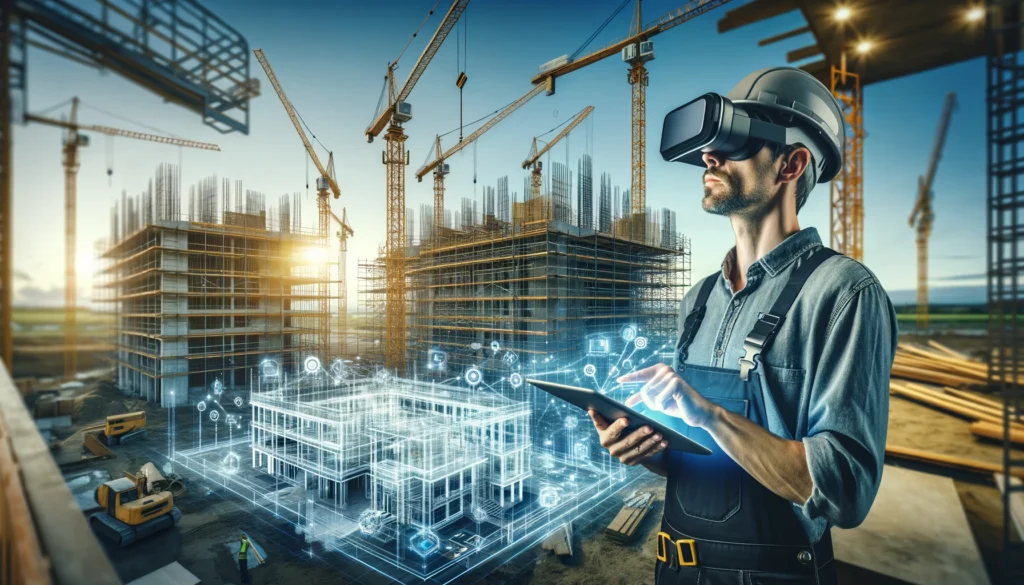
Technologies such as Artificial Intelligence (AI), Building Information Modeling (BIM), and Digital Twin solutions are enhancing efficiency and precision in industrial construction. These tools enable better project visualization, risk management, and real-time collaboration between stakeholders.
For instance, AI-powered project management tools can predict potential delays and optimize workflows, saving time and costs.
4. Automation and Robotics
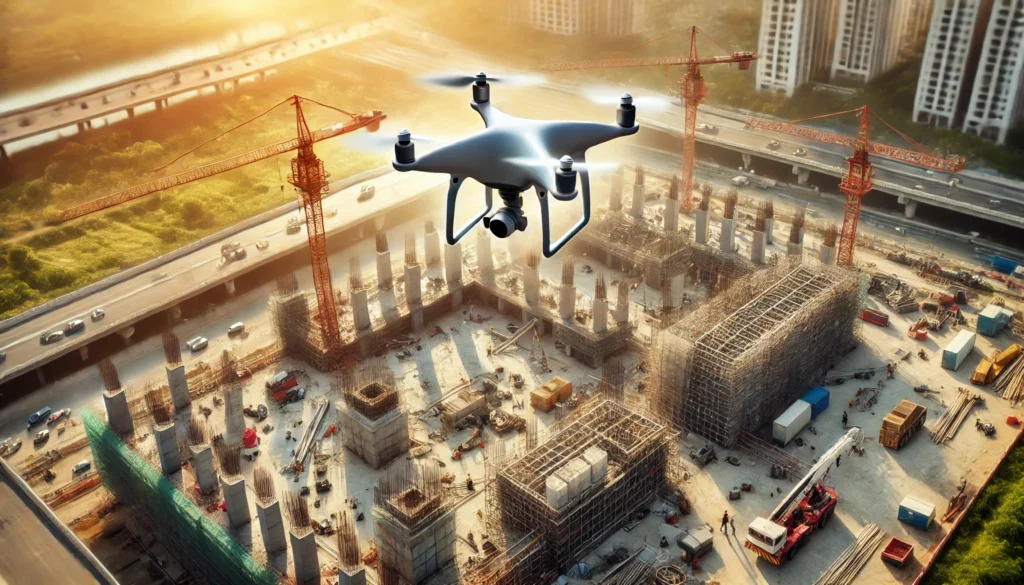
Robotics are reshaping construction workflows by taking over repetitive and hazardous tasks. From robotic bricklaying to drones for site inspections, automation is improving safety and productivity. In industrial construction, robots are increasingly used for precision tasks such as welding and material handling.
This trend is not only increasing efficiency but also addressing labor shortages in the construction sector.
5. Smart Construction Materials
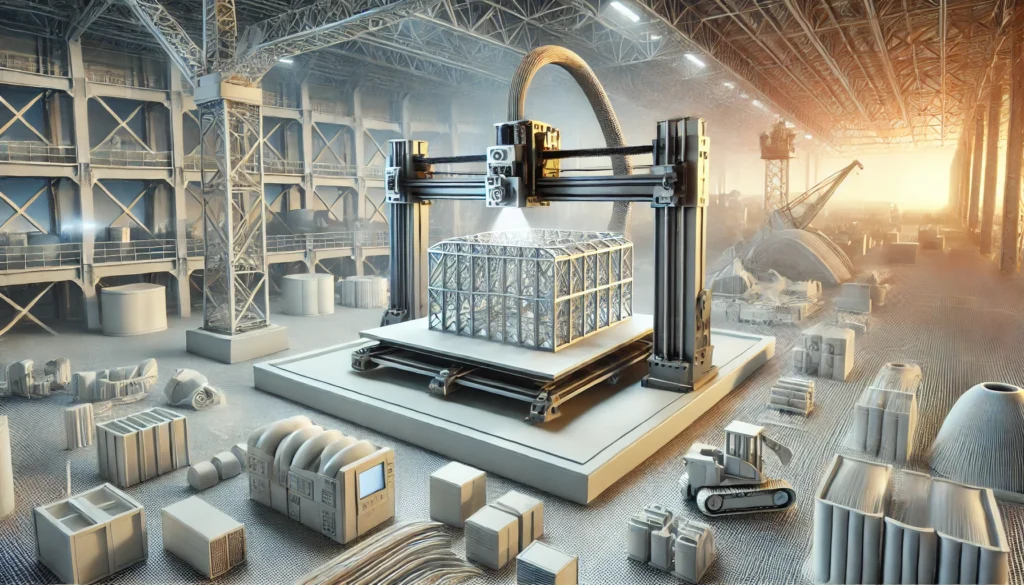
Innovative materials are paving the way for smarter and more durable infrastructure. Self-healing concrete, 3D-printed structures, and lightweight composites are just a few examples of materials transforming industrial construction. These materials improve the lifespan and resilience of buildings, reducing maintenance costs over time.
6. Emphasis on Safety Through Technology
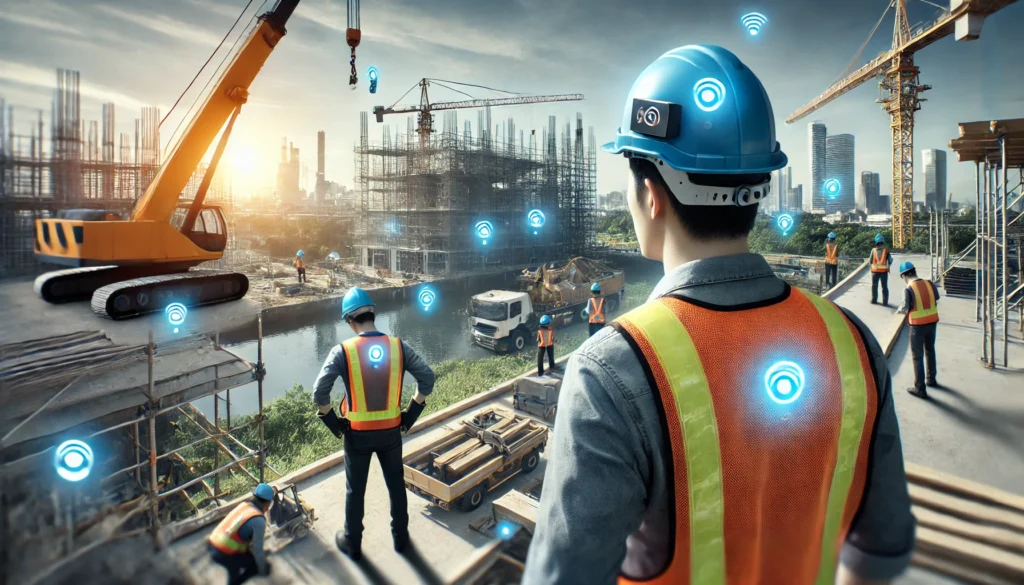
Safety remains a top priority in industrial construction. Wearable technology, such as smart helmets and vests, is being used to monitor worker health and safety in real time. IoT-enabled sensors at construction sites help identify potential hazards, reducing the risk of accidents.
7. Digital Collaboration and Remote Monitoring
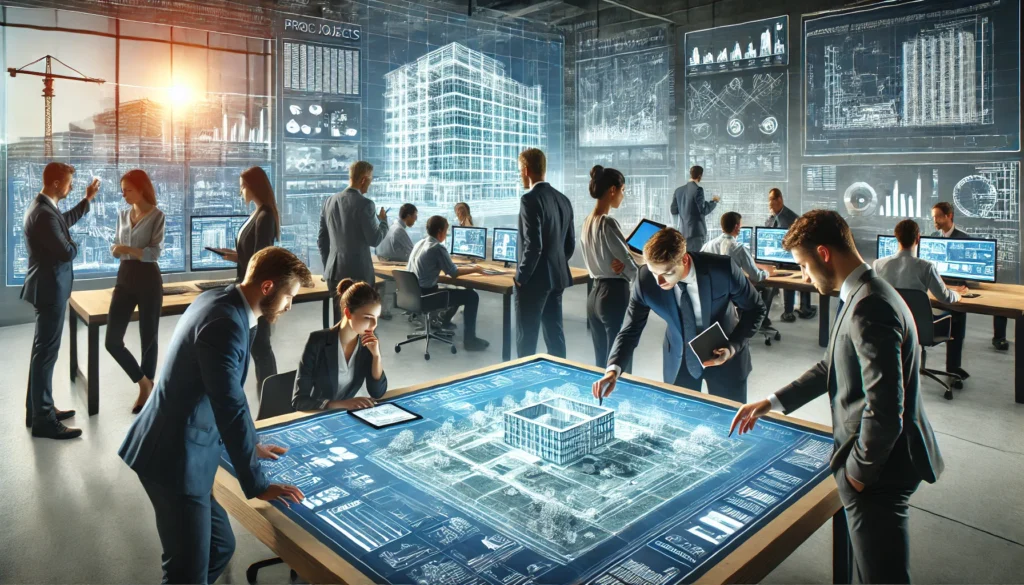
With advancements in cloud computing and remote monitoring tools, industrial construction teams can collaborate seamlessly, regardless of location. These technologies ensure real-time updates and enable stakeholders to make informed decisions quickly, enhancing project efficiency.
Conclusion
The industrial construction industry is undergoing a massive transformation, driven by sustainability, technology, and innovation. Companies that embrace these trends will not only stay competitive but also deliver higher-quality, cost-effective, and eco-friendly projects. As 2025 unfolds, the future of industrial construction looks brighter than ever, paving the way for a more sustainable and efficient industry.